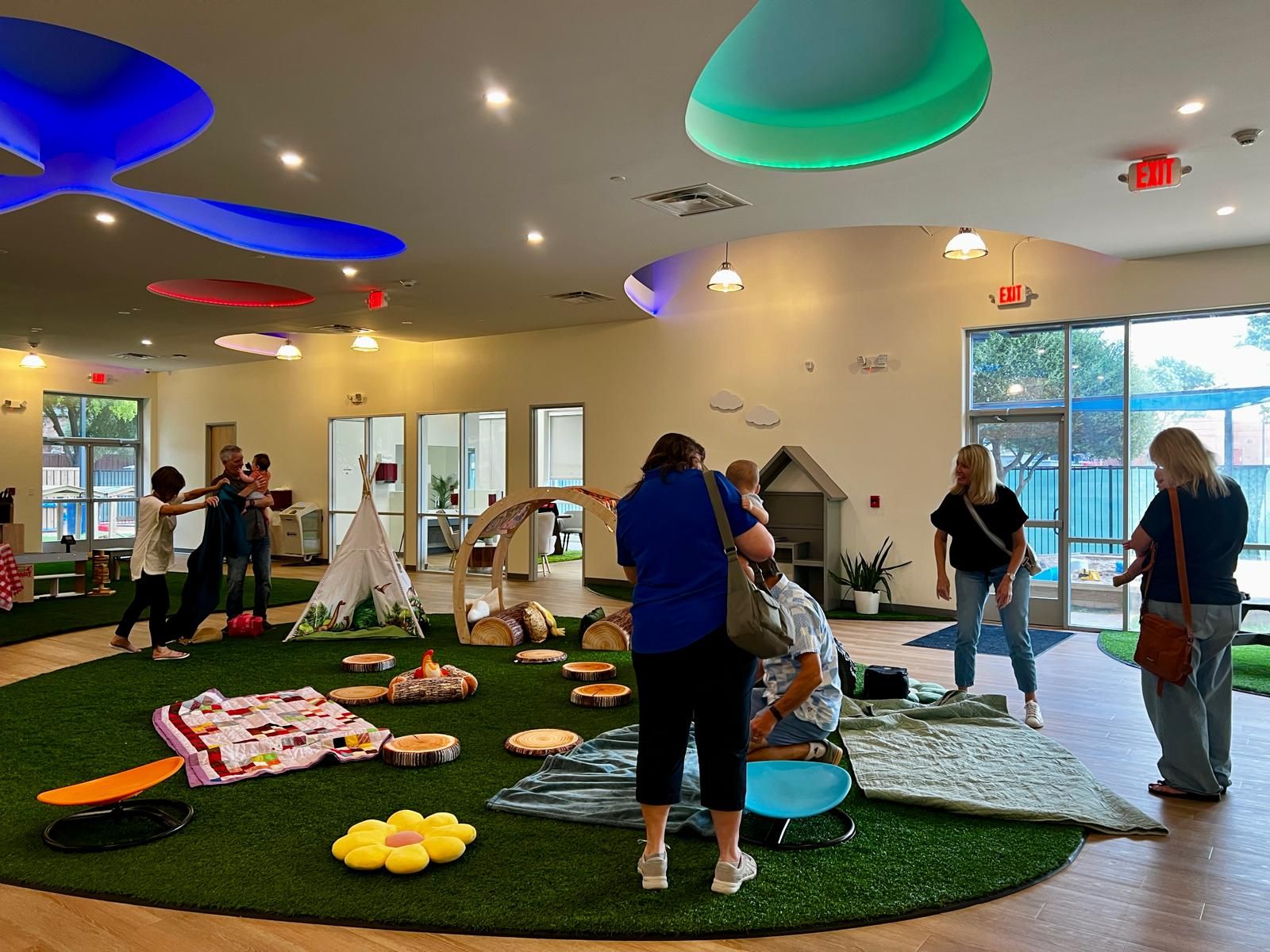
Inspired by Reggio Emilia
Learning Begins with the Child
Children as Capable Learners
At Dreamland, we see children as capable individuals with unique ideas, questions, and ways of learning. Inspired by the Reggio Emilia approach, we follow the child's curiosity and design learning experiences that grow from their interests.
Our classrooms are places where children explore, collaborate, create, and reflect. Teachers carefully observe and document learning so we can thoughtfully support each child's development.
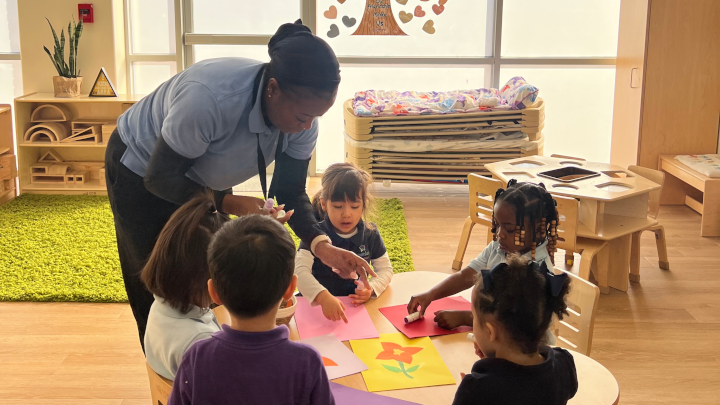
Core Principles of Our Approach
The Reggio Emilia philosophy shapes everything we do at Dreamland, creating rich learning experiences that honor each child's potential.
Child-Centered Learning
Children are active participants in their own learning journey, with educators following their interests and curiosities to create meaningful experiences.
Learning Through Exploration
Curiosity, play, and hands-on experiences guide discovery. Children learn best when they can touch, manipulate, and investigate the world around them.
Environment as Third Teacher
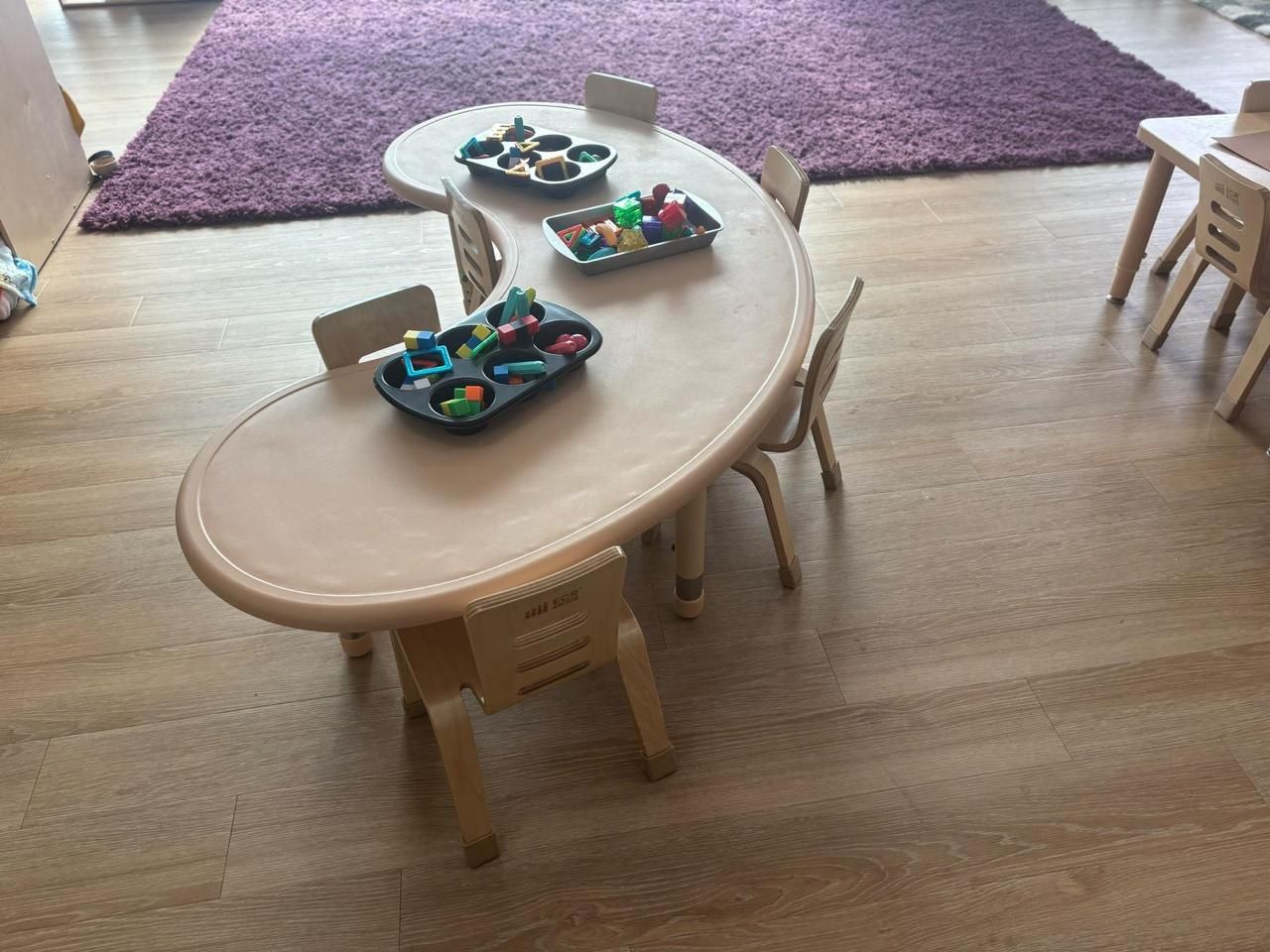
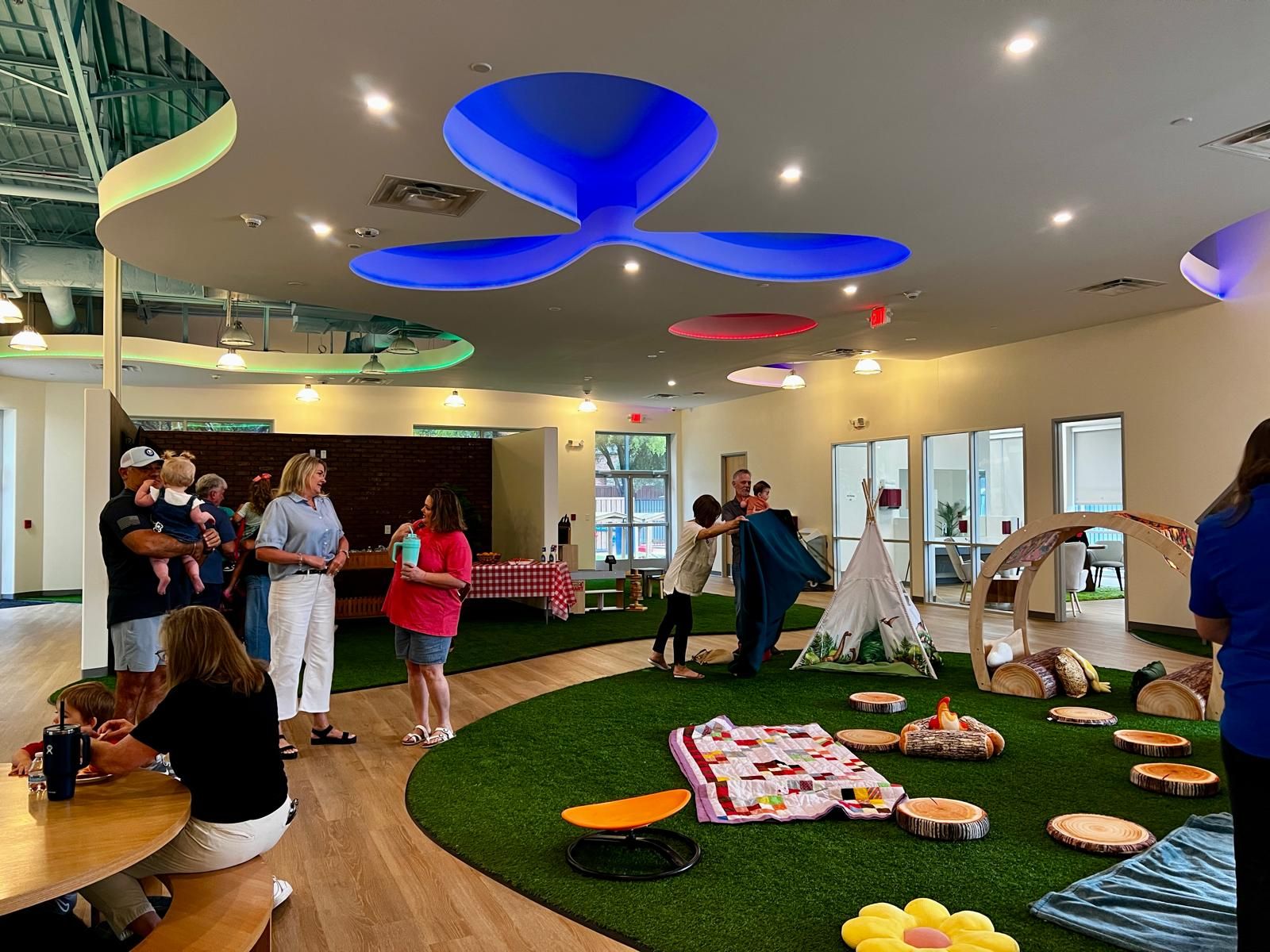
Thoughtfully designed spaces inspire creativity and inquiry. Every element is intentional, from natural light to accessible materials.
Collaboration & Relationships
Learning grows through connection with peers, educators, and families. Children develop social skills and learn to see multiple perspectives.
Expression in Many Forms
Children communicate ideas through art, movement, language, building, music, and play — the "hundred languages" of children.
Documentation of Learning
Teachers observe and document children's learning, making their thinking visible and creating opportunities for reflection and growth.
The Environment as a Teacher
In the Reggio Emilia approach, the environment is considered the "third teacher" — carefully designed to inspire creativity, wonder, and discovery.
Natural Materials: Wood, clay, fabric, and natural elements invite open-ended exploration
Beautiful Spaces: Light, color, and order create calm, inspiring environments
Accessible Materials: Children can independently access and choose their tools for learning
Flexible Layouts: Spaces adapt to support individual work, small groups, and large gatherings
Display of Learning: Children's work and documentation are prominently displayed, valuing their efforts
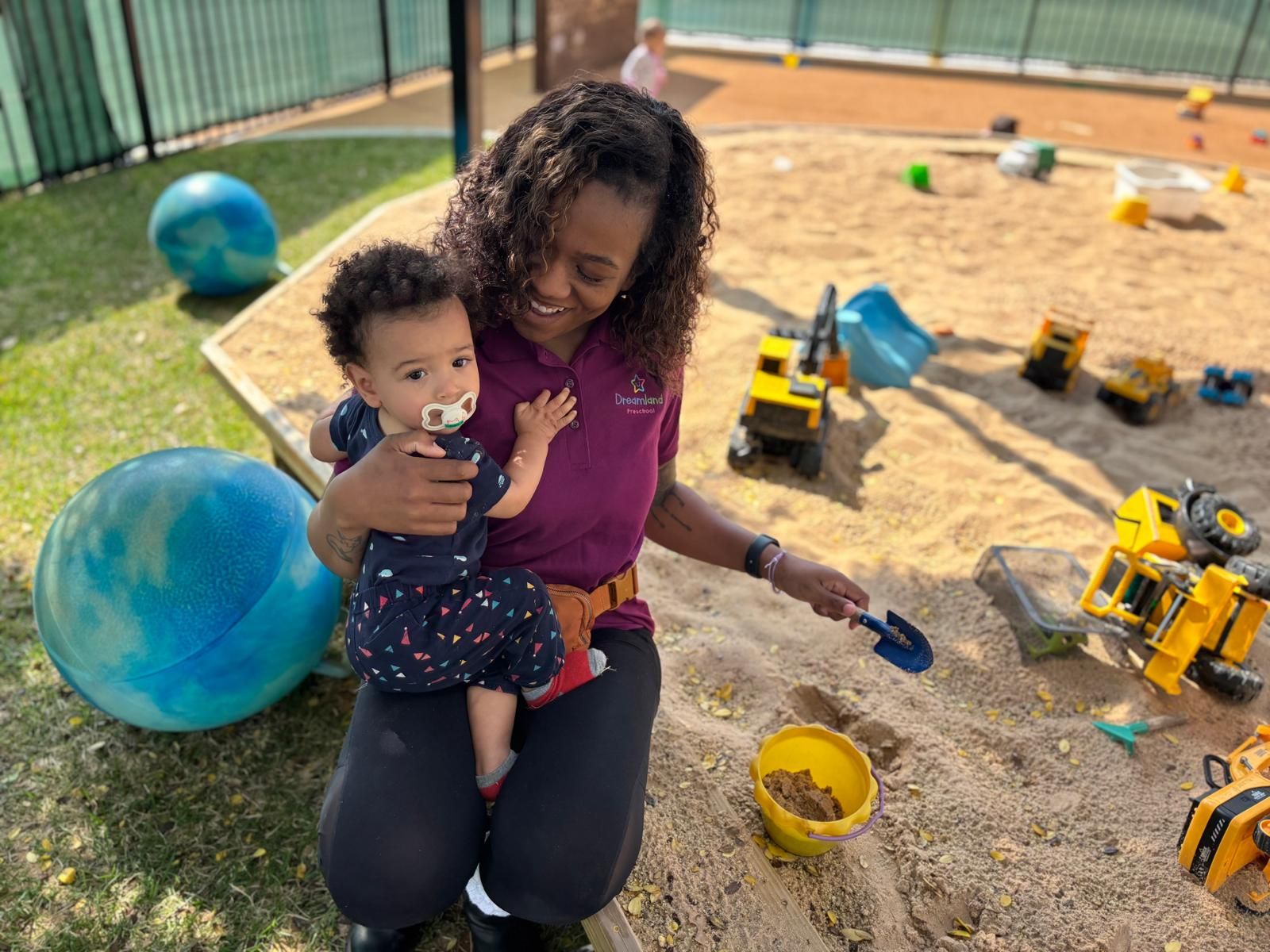
Observation & Documentation
Our teachers are skilled observers who carefully document children's learning through photos, videos, and notes. This documentation helps us understand each child's thinking and plan meaningful next steps.
Making Learning Visible
Photos, videos, and children's work show the learning process and help children reflect on their thinking.
Guiding Planning
Observations inform our next steps, ensuring we meet each child where they are and support their growth.
Sharing with Families
Documentation helps families understand and celebrate their child's learning journey.
Expression in Many Forms
Children communicate their understanding in countless ways — what Reggio Emilia calls the "hundred languages of children." We honor all forms of expression and provide rich materials for exploration.
Art
Drama
Movement
Music
Building
Language
Writing
Math
Science
Nature
Problem Solving
Physical Play
Learning Through Projects
Long-term projects emerge from children's interests and questions, allowing deep investigation and collaboration.
Emerge from Interest
Projects begin with children's questions and curiosities, ensuring genuine engagement and motivation.
Unfold Over Time
Learning deepens through weeks or months of investigation, allowing children to build understanding gradually.
Involve Collaboration
Children work together, sharing ideas, solving problems, and learning from each other's perspectives.
Include Many Disciplines
A single project might incorporate art, science, math, literacy, and social studies in authentic ways.
Lead to New Questions
As children investigate, new questions emerge, extending learning in unexpected and exciting directions.
Families as Partners
In the Reggio Emilia approach, families are essential partners in education. We value your insights, celebrate your child's home culture, and keep you connected to classroom learning.
Regular communication through photos, videos, and notes about classroom learning
Family conferences to discuss your child's development and share observations
Opportunities to contribute to classroom projects and share your expertise
Family events and celebrations that build community
Open-door policy welcoming you to visit and observe your child's day
Experience the Reggio Emilia Difference
See how our approach inspires curious, confident, and creative learners.